

On 15 October 2024 - my youngest son Cole's first birthday - a routine endoscopy found a nearly 10cm tumour at the junction between my oesophagus and my stomach. Within three weeks I had a Stage IV diagnosis, metastatic disease in my lymph nodes, and an 11.5-month median prognosis.
In this guide:
- The 23 Days That Changed Everything
- Red Light Therapy - Daily, 10-15 Minutes
- Infrared Sauna - 4-5 Times Per Week, 45 Minutes
- Ice Baths and Cold Water Therapy - 2-3 Times Per Week
- Contrast Therapy - The Combination That Multiplies the Effect
- PEMF Therapy - Pulsed Electromagnetic Field Therapy
- Exercise and Strength Training During Chemotherapy
- The Rest of My Protocol - Vagus Nerve Stimulation, HBOT, Grounding and More
- Why I Sell What I Use
- Frequently Asked Questions
- A Note on Evidence
- My Protocol Summary
- Ready to Build Your Own Protocol?
I’m not writing this for sympathy. I’m writing it because what I did next changed everything - and because the products I now sell through Peak Health and Fitness are the same ones I use every single day as part of my treatment protocol.
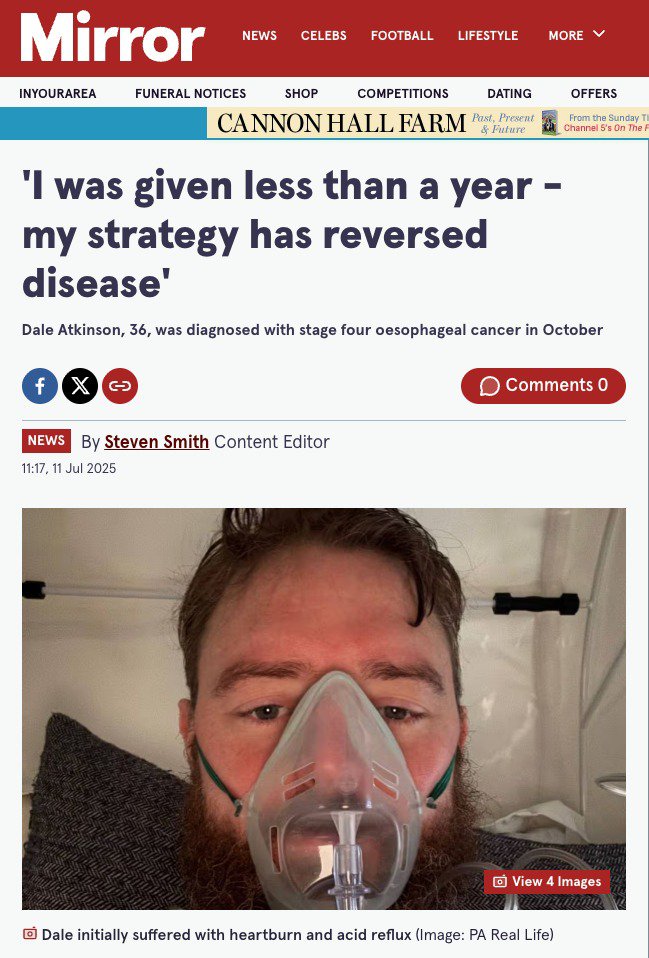
This is not theory. This is not marketing. This is my life.
The 23 Days That Changed Everything
Between that endoscopy and my first oncology appointment, the universe compressed an impossible amount into 23 days. Cole's birthday. My mother's death on 27 October. My eldest son Axel's third birthday the day after. A PET scan on 1 November that confirmed the cancer had spread.
On 7 November 2024, I sat in a plastic chair in outpatients 2 at the Bracknell Healthspace (part of the Royal Berkshire Hospital’s wider in Reading) whilst a consultant told me I was terminal - palliative only. Manage it, not cure it.
I drove home and made a decision. If the conventional framework would only give me 11.5 months, I wanted to know what existed outside that framework. Not instead of chemo and standard care - alongside it. Every tool, every protocol, every piece of emerging evidence I could find.
That question led me to build what I now call my protocol - a daily routine of complementary therapies that I use alongside conventional cancer treatment. Red light therapy, infrared saunas, ice baths, PEMF therapy, exercise, and a ketogenic nutritional approach.
Eighteen months on, my scans show full resolution (NVD - No Visible Disease). I’m nearing cancer-free.
I want to be completely honest: I can’t prove which element made the biggest difference. The chemo and immuno are (of course) doing heavy work. But the oncologists didn’t expect these results on that treatment plan - they felt, and documented, that it might give me an additional 2 months at most - and I believe the complementary work has played a very significant and meaningful role - in my recovery, in my energy levels, in my ability to tolerate treatment, and in my mental state throughout.
Here is exactly what I do, why I do it, and what the evidence says.
Red Light Therapy - Daily, 10-15 Minutes
What I use: I personally use a MITO Light Starter panel - European-made, clinically focused, and (in my opinion) by far the best on the market. I will actually be upgrading to either the Expert 4.0 or the BH 4.0 - dependant on where we decide to put it - in the coming months. We also stock Infraredi (our main range, panels from around £200 to £2,000) - both brands deliver the wavelengths that matter.
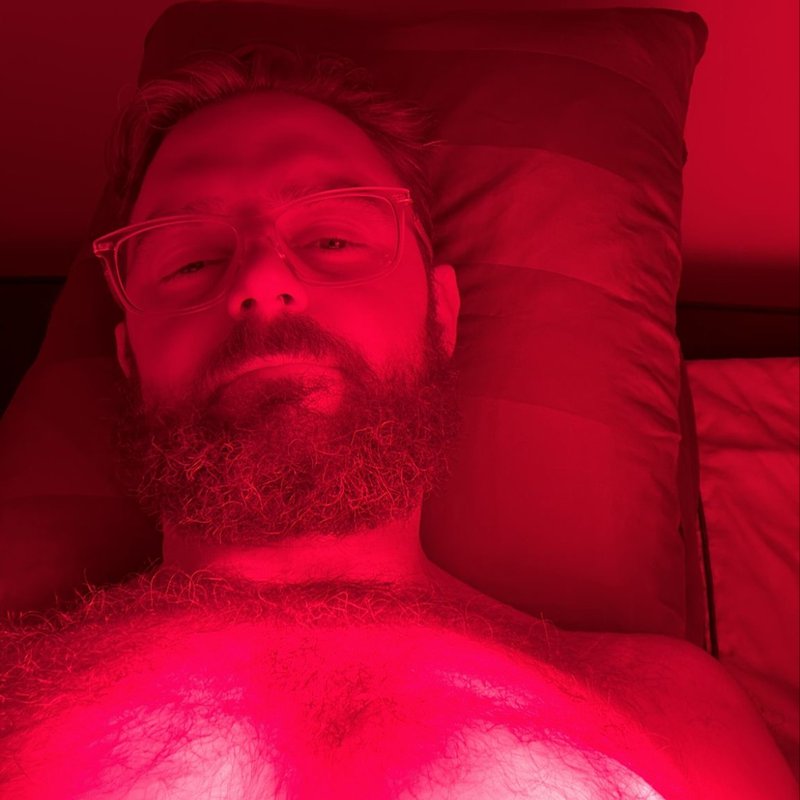
My routine: Every morning, 15-20 minutes at close range. I treat it like brushing my teeth - non-negotiable.
Why it’s in my protocol: Red light therapy (also called photobiomodulation) works at a cellular level. The wavelengths - typically 630-670nm (red) and 810-850nm (near-infrared) - penetrate the skin and are absorbed by mitochondria, the energy-producing structures inside your cells. The research suggests this can:
- Reduce inflammation - a major driver of cancer progression and a common side effect of chemotherapy
- Support cellular energy production - helping healthy cells function optimally during the stress of treatment
- Accelerate tissue repair - useful when your body is taking a battering from conventional treatment
- Improve circulation - supporting nutrient delivery and waste removal at a cellular level
For me personally, the most noticeable effect has been on my energy levels and recovery between treatment cycles. Chemotherapy leaves you flattened. Red light therapy is one of the tools that helps me get back on my feet faster.
The evidence: There’s a growing body of research into photobiomodulation and cancer, though I want to be clear - the research is still emerging. Studies have shown benefits for managing treatment side effects like oral mucositis (a painful mouth condition caused by chemotherapy), and there’s early-stage research into how red light affects cancer cell metabolism. This is an area where the science is developing rapidly.
I’m not claiming red light therapy cures cancer. But I am saying it supports my body's ability to cope with treatment - and that, for me, has been significant.
If you’re interested in exploring red light therapy, our full red and near-infrared light therapy collection includes panels, wraps, and targeted devices - all with a 2-year warranty and free UK delivery on orders over £250.
Infrared Sauna - 4-5 Times Per Week, 45 Minutes
What I use: I personally use a Bella 2 infrared sauna and love it. At Peak we stock a range of home saunas from Fonteyn (barrel saunas, infrared cabins, and outdoor models including the popular Fonteyn Wren), Harvia (traditional Finnish sauna heritage), and Prasanna (zero-EMF portable infrared sauna pods and sauna blankets - ideal if space is limited). Atop these, we also have the ability to commission custom builds, just get in touch to let us know your needs and we’ll do our best to meet them for you.
My routine: 45-minute sessions, 4-5 times per week. The infrared sauna was actually the first piece of my protocol. On 4 November 2024 - three days before that palliative verdict - I retrieved one from my dad's storage. Before I had a plan, before I had read a single paper, I had an instinct: heat therapy and detox support mattered.
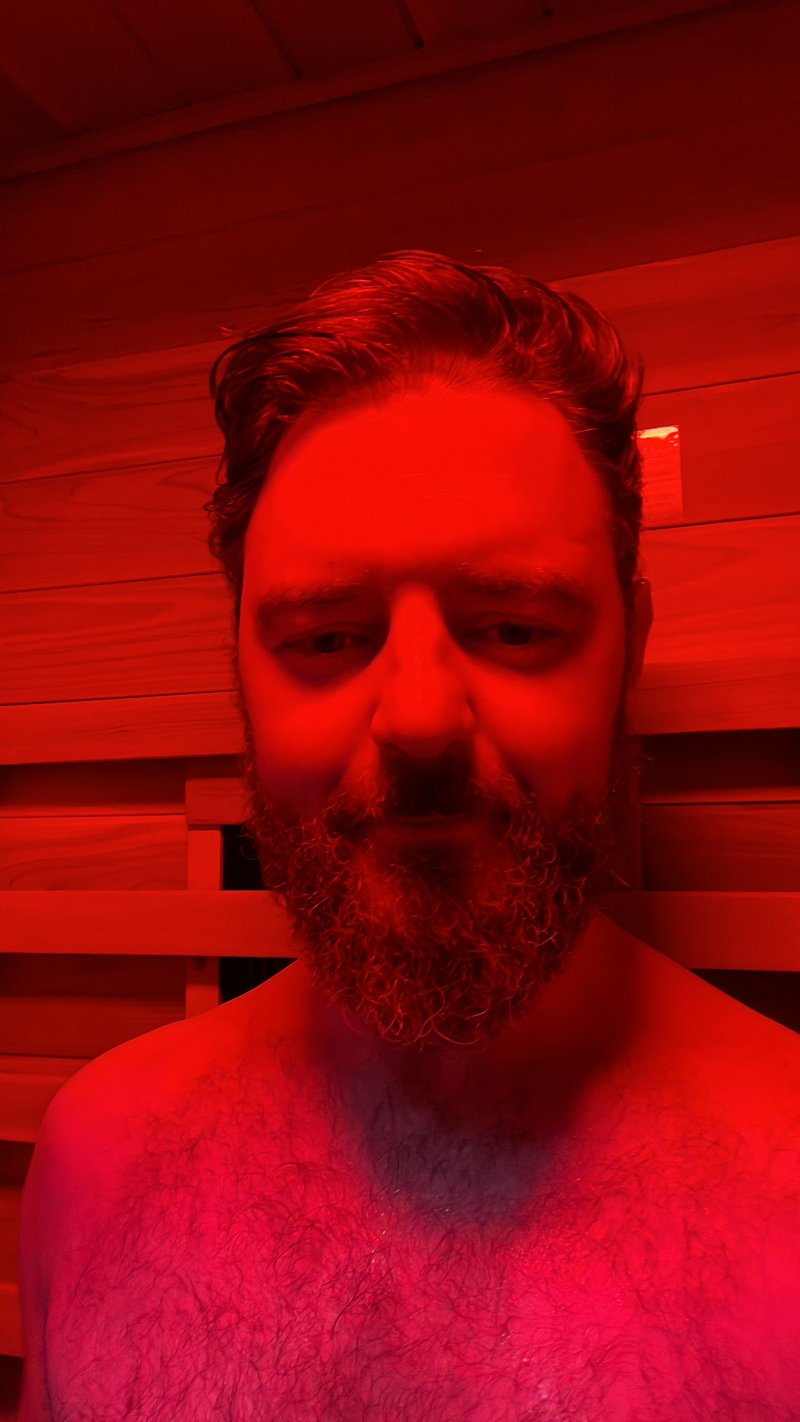
Why it is in my protocol: Infrared saunas deliver heat that penetrates deeper into tissue than a traditional sauna, at a lower ambient temperature. The infrared sauna benefits I was specifically looking for relate to a concept called heat shock proteins - stress-response proteins that your body produces when exposed to heat. If you want to understand how infrared differs from a traditional steam or Finnish sauna, we have a detailed comparison in our guide to infrared sauna vs traditional sauna.
Here is what the research shows:
- Heat shock protein activation - these proteins help protect healthy cells during physiological stress and may support the body's natural repair mechanisms
- Improved circulation and detoxification - sweating is one of the body's primary detox pathways, and infrared saunas promote deep sweating at lower, more comfortable temperatures
- Pain relief - infrared heat penetrates joints and muscles, reducing the aches that come with both cancer and its treatment
- Immune system support - regular sauna use has been associated with increased white blood cell counts in several studies
- Stress reduction - the parasympathetic activation from regular heat exposure genuinely helps manage the mental load of a cancer diagnosis
There’s a particular Finnish study - often cited - that followed over 2,300 men for 20 years and found that frequent sauna use (4-7 times per week) was associated with significantly reduced all-cause mortality. That’s not cancer-specific research, but the mechanism of regular heat exposure improving cardiovascular and immune function is well-established.
For me, the sauna is as much about mental health as physical health. Fortyfive minutes of enforced stillness, heat, and nothing else. When you are fighting something this serious, that space matters.
Browse our full sauna collection - we carry everything from barrel saunas for the garden to portable infrared pods you can use in a spare room. All with a 2-year warranty. If you want to understand the science behind post-workout sauna use, we have also written about the 5 science-backed benefits of sauna after workouts.
Ice Baths and Cold Water Therapy - 2-3 Times Per Week
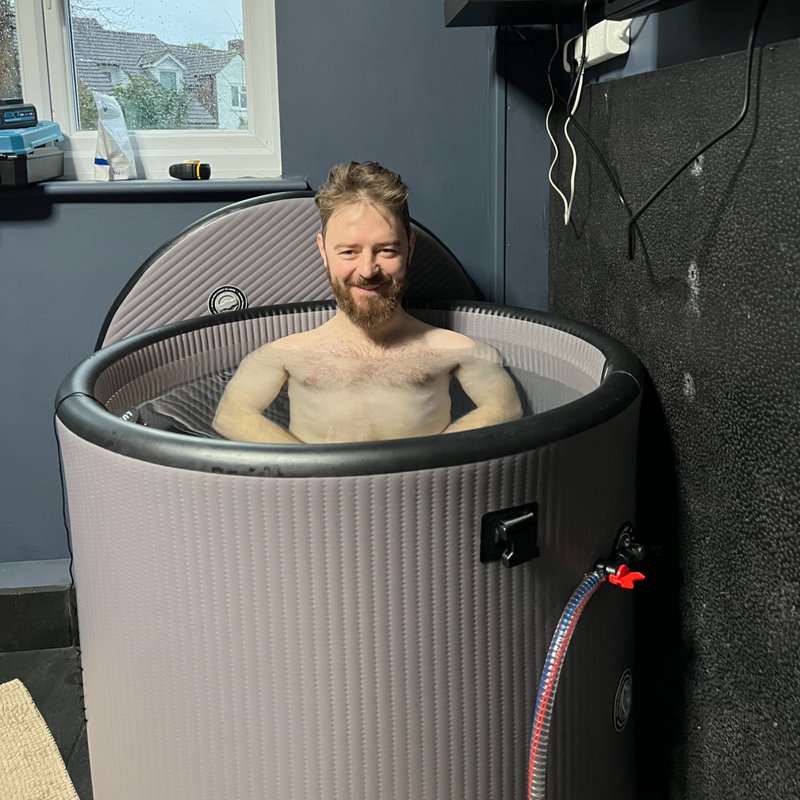
What I use: A dedicated ice bath. At Peak we stock ice baths and cold plunges including the Wave Antarctic Drop Stitch Ice Bath (£295 - portable, professional-grade, and a genuine entry point into cold therapy) and Monk Smart Ice Baths (app-controlled with built-in chiller). We are expanding this collection - get in touch if you want advice on which setup suits your space and budget.
My routine: 2-3 sessions per week, 3-5 minutes at 5-10°C. I won’t pretend it gets easier... It doesn’t. But the ice bath benefits are real and they are immediate.
Why it is in my protocol: Cold water immersion triggers a powerful physiological response. When you submerge in cold water, your body activates cold shock proteins - a parallel to the heat shock proteins I mentioned above - along with a cascade of hormonal and circulatory responses:
- Reduced systemic inflammation - cold exposure’s one of the most effective natural anti-inflammatory interventions available. For someone on chemotherapy, managing inflammation is critical
- Norepinephrine release - cold immersion can increase norepinephrine (a key neurotransmitter) by up to 200-300%, improving alertness, focus, and mood. On treatment days when you feel like a shadow of yourself, this is a genuine lifeline
- Improved immune function - regular cold exposure has been linked to increased white blood cell counts and enhanced immune surveillance
- Mental resilience - there’s something about voluntarily doing something difficult every day that recalibrates your relationship with discomfort. When you are going through cancer treatment, that mental muscle matters
The cold water therapy benefits extend beyond the physical. Every session is a small act of agency - a reminder that I’m choosing to do hard things, not just having hard things done to me.
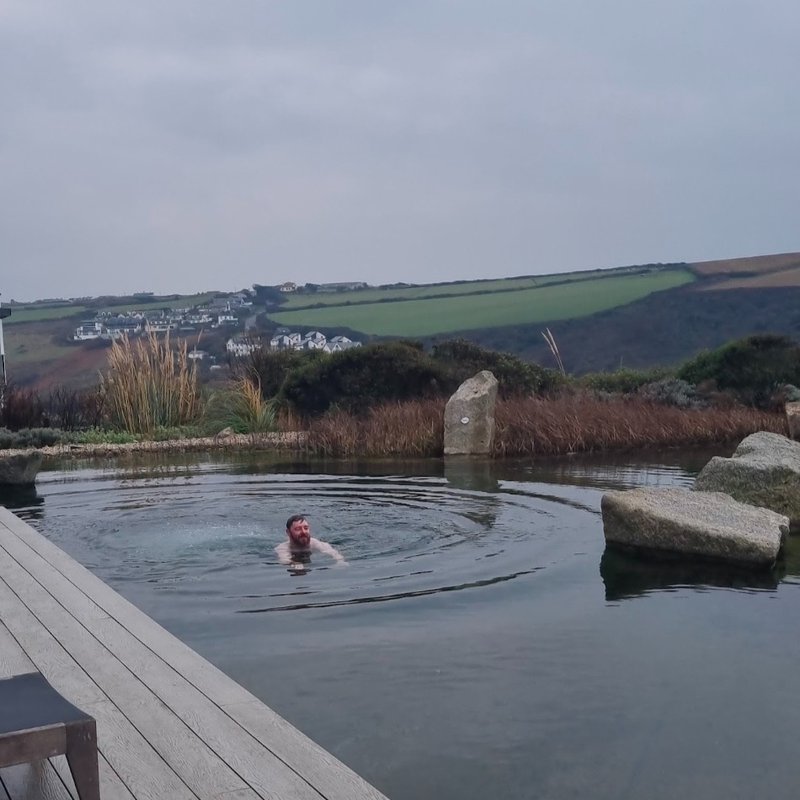
We’ve written a separate guide on cold water therapy and cancer if you want to dig deeper into the research. Our complete ice bath UK home guide covers everything you need to know about setting up at home. And you can browse our full ice bath and cold plunge collection here - all with free UK delivery on orders over £250.
Contrast Therapy - The Combination That Multiplies the Effect
One of the most powerful elements of my protocol is not any single modality - it is the combination of heat and cold. Moving from an infrared sauna session into a cold plunge (or vice versa) is called contrast therapy, and the contrast therapy benefits are significant:
- Vasodilation followed by vasoconstriction - your blood vessels expand in the heat, then contract in the cold. This "pumping" effect flushes metabolic waste and delivers fresh nutrients more efficiently than either modality alone
- Enhanced recovery - athletes have used contrast therapy for decades, but for someone on chemotherapy, the accelerated recovery between sessions is even more valuable
- Compounded stress adaptation - your body adapts to both heat and cold stress, building resilience across multiple pathways simultaneously
We have written more about this in our guide to the ultimate recovery duo: ice bath and sauna.
If you’re considering adding either a sauna or an ice bath to your routine, I’d strongly encourage thinking about both. The combination is genuinely greater than the sum of its parts. Our team can help you find the right pairing for your space and budget - get in touch and I will personally walk you through what I use and why.
PEMF Therapy - Pulsed Electromagnetic Field Therapy
Coming soon to Peak Health collections
Why it is in my protocol: PEMF therapy uses low-frequency electromagnetic pulses to stimulate cellular activity. It’s one of the more established complementary therapies in terms of clinical evidence - originally developed for bone healing and now used across a range of applications.

The PEMF therapy benefits that matter for my protocol:
- Cellular membrane potential - PEMF helps maintain the electrical charge across cell membranes, which is critical for healthy cell function and nutrient transport
- Pain management - PEMF has FDA clearance in the US for pain management and bone healing, with multiple clinical trials supporting its use
- Inflammation reduction - like red light and cold therapy, PEMF works on inflammatory pathways, but through a different mechanism (electromagnetic rather than thermal or photonic)
- Sleep quality - some of the most consistent research on PEMF relates to sleep improvement, which is enormously important during cancer treatment when rest is both critical and difficult to achieve
I’m adding PEMF devices to the Peak Health range because I believe in this modality and use it personally. If PEMF is something you are interested in, drop us an email at info@peakhealthandfitness.co.uk and we will let you know as soon as the collection goes live.
Exercise and Strength Training During Chemotherapy
What I use: Home gym equipment. At Peak we used to stock a wide range or commercial kit, but have since decided to slim down our offering - that said, if you do have a want for this please reach out to me directly and I can help you source the most appropriate kit at a fair price - dale@peakhealthandfitness.co.uk - if there’s enough demand we will of course bring these back into stock.
My routine: I train regularly - adapting intensity to how I’m feeling on any given day. The goal was never to hit personal bests. The goal was to not lose myself physically during treatment.
Why it is in my protocol: The evidence for exercise during chemotherapy is actually some of the strongest in the complementary therapy space. This isn’t fringe science - major cancer charities and oncology guidelines now actively recommend physical activity during treatment.
The research shows:
- Reduced fatigue - counterintuitive, but regular exercise reduces cancer-related fatigue more effectively than rest alone. Multiple systematic reviews confirm this
- Maintained muscle mass - chemotherapy causes muscle wasting (cachexia). Resistance training directly counters this, helping you maintain strength and functional capacity
- Improved treatment tolerance - patients who exercise during chemotherapy report fewer dose reductions and treatment delays
- Better mental health - the psychological benefits of maintaining a training routine during treatment cannot be overstated. It is an anchor. It is normality. It is proof that your body still works
I will be honest - there were days when "exercise" meant a 10-minute walk. And there were days when I could train with real intensity. The point is showing up. The point isn’t letting the treatment define your physical identity.
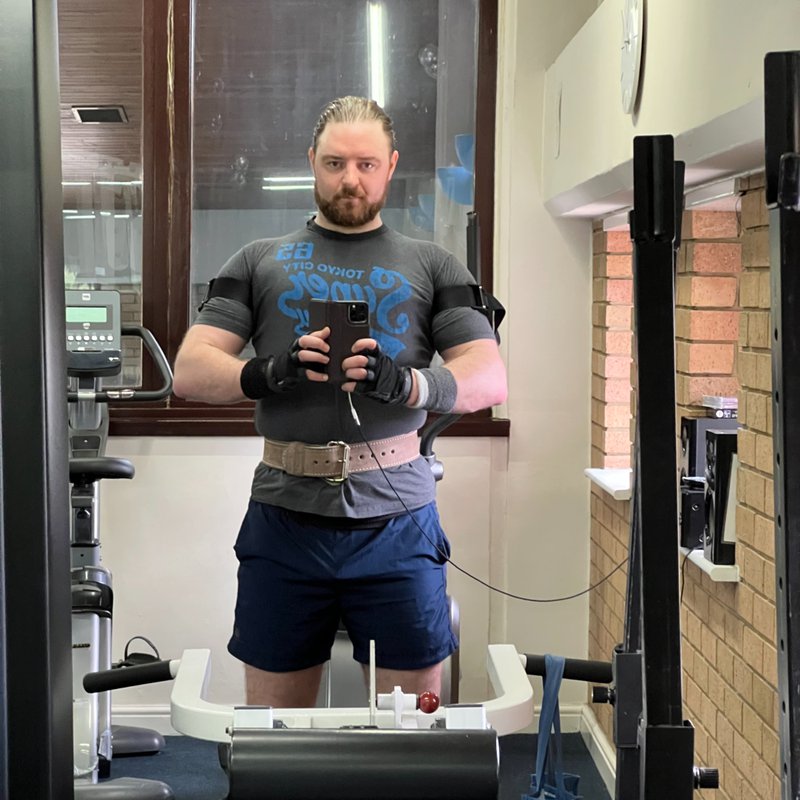
For anyone going through cancer treatment: talk to your oncology team about exercise. Most will actively encourage it. Start where you are, not where you think you should be.
Browse our gym and strength equipment collection - from single dumbbells to full home gym setups. We also stock Pulseroll recovery equipment including massage guns and compression boots - both of which I use for post-training recovery.
The Rest of My Protocol - Vagus Nerve Stimulation, HBOT, Grounding and More
The modalities above are the core of my daily routine, but my protocol does not stop there. I also use:
- Vagus nerve stimulation - the vagus nerve is the main line of communication between your brain and your body's inflammatory response. Stimulating it helps shift the nervous system out of fight-or-flight and into rest-and-repair mode. For someone on chemotherapy, that shift matters enormously - coming soon
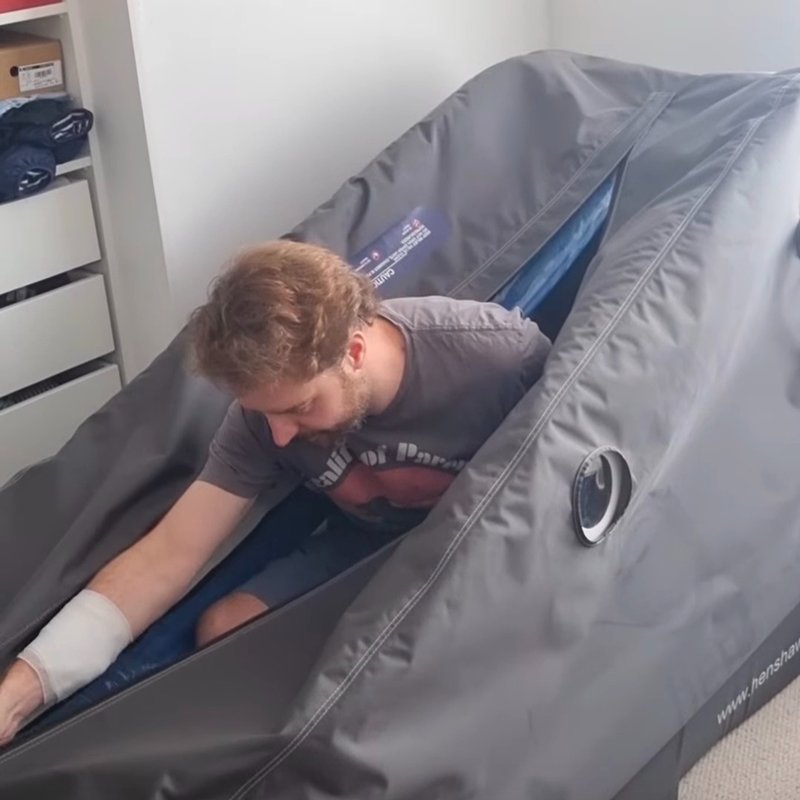
- Hyperbaric oxygen therapy (HBOT) - breathing pure oxygen in a pressurised chamber increases oxygen delivery to tissues throughout the body. I use HBOT sessions to support recovery and cellular repair between treatment cycles - coming soon
- Grounding (earthing) - direct physical contact with the earth's surface. The research is early but consistent - grounding appears to reduce inflammation markers and improve sleep quality. I use a grounding mat and sheets daily - coming soon
- Acupressure mats - I use a yoga acupressure mat regularly for pain management, circulation, and stress reduction. The combination of pressure points and stillness is surprisingly effective
- Vibration plate - I use a vibration plate daily. It helps with muscle maintenance - especially during treatment when fatigue is a real issue and you cannot always train with weights - and supports lymphatic drainage, which is particularly important when on chemotherapy. We stock Power Plate at Peak - from the portable Power Plate Move to the commercial-grade Power Plate Pro7
- PEMF therapy - covered in detail above
One thing I want to emphasise: having the HBOT chamber and infrared sauna at home has been invaluable. There are days on treatment when you feel terrible and the last thing you can do is drive to a gym or wellness centre to use one. Having these tools in your house means you can still do the work on your worst days - even if that means crawling into the sauna in your dressing gown at 7pm. That accessibility has made a genuine difference to my consistency.
I mention all of this because these are genuinely part of what I do every day - and because we will be adding vagus nerve stimulation devices, grounding products and acupressure mats to the Peak Health range over the coming months. If any of these interest you, get in touch and I will let you know when they launch.
Why I Sell What I Use
I bought Peak Health and Fitness because I wanted to build something meaningful around the products that are genuinely part of my life. Every infrared sauna, every ice bath, every red light panel we sell - I have used them. Not as a marketing exercise, but as a cancer patient trying to give himself the best possible chance.
That’s the difference between Peak and a retailer that just shifts units. I know what it feels like to step into a cold plunge at 7am when you had chemotherapy two days ago. I know the difference between a 15-minute sauna session and a 30-minute one when your body is fighting. I know which red light protocols I follow and why.
When you buy from Peak Health and Fitness, you are buying from someone who stakes his life on these products. Literally.
Every order comes with:
- 2-year warranty on all products
- Free UK delivery on orders over £250
- Klarna finance available - spread the cost
- UK-based support - real people, Monday to Friday, 9am-4.30pm
- Personal advice from someone who actually uses these products - email me directly at info@peakhealthandfitness.co.uk
A Note on Evidence
I want to be transparent about something: the evidence base for complementary cancer therapies varies significantly by modality. Exercise during chemotherapy has strong clinical evidence. Red light therapy and sauna use have promising but still developing research specifically in cancer contexts. PEMF therapy has established evidence for pain and bone healing, with cancer-specific research still emerging.
I’m not asking you to abandon conventional medicine. I didn’t. I have chemo and immuno doing the heavy lifting. What I am saying is that I looked at the emerging evidence, made informed decisions, built a daily protocol, and the results have exceeded what my oncology team expected.
Your protocol will not look exactly like mine. But the principle - taking an active role in your own recovery, stacking evidence-informed interventions alongside conventional treatment - is something I believe in deeply enough to build a business around.
My Protocol Summary
| Modality | Frequency | Duration | Temperature/Setting | What I Use |
|---|---|---|---|---|
| Red light therapy | Daily | 10-15 minutes | Close range, full body | MITO Light Starter (upgrading to Pro) |
| Infrared sauna | 4-5x per week | 45 minutes | Infrared | Bella 2 |
| Ice bath / cold plunge | 2-3x per week | 3-5 minutes | 5-10°C | Wave / Monk |
| Contrast therapy | 2-3x per week | Sauna then ice bath | As above | Sauna + ice bath combo |
| PEMF therapy | Daily | Varies | Coming soon to Peak | - |
| Vagus nerve stimulation | Daily | Varies | Coming soon to Peak | - |
| Grounding | Daily | Varies | Grounding mat | Coming soon to Peak |
| HBOT | Regular | Varies | Pressurised oxygen | Home chamber |
| Acupressure mat | Regular | Varies | Yoga mat | Coming soon to Peak |
| Vibration plate | Daily | Varies | Whole-body vibration | Power Plate |
| Strength training | Regular | Adapted to energy | Home gym | Attack Fitness / MYO Strength |
| Nutrition | Daily | Ongoing | Ketogenic approach | - |
Ready to Build Your Own Protocol?
Whether you are a cancer patient looking for ways to support your treatment, an athlete optimising recovery, or someone building a home wellness setup - I have been where you are and I am happy to help.
- Red light therapy panels - from £200
- Infrared saunas - barrel saunas, cabin saunas, portable pods and blankets
- Ice baths and cold plunges - from £295
- Vibration plates - Power Plate Move and Pro7
- Recovery equipment - massage guns, compression boots, foam rollers
- Gym and strength equipment - full home gym setups
- Hot tubs and swim spas - hydrotherapy systems
Not sure where to start? Contact us or email me directly at info@peakhealthandfitness.co.uk. You can also check our FAQs or see the brands we work with.
Every product we sell comes with a 2-year warranty, free UK delivery on orders over £250, and Klarna finance to spread the cost.
I am Dale Atkinson, owner of Peak Health and Fitness. This article reflects my personal experience and should not be taken as medical advice. Always consult your oncology team before starting any complementary therapy during cancer treatment.
Frequently Asked Questions
Can red light therapy cause cancer?
This is one of the most common questions I see, and understandably so. Red light therapy uses non-ionising wavelengths of light - meaning they do not carry enough energy to damage DNA in the way that UV radiation or X-rays can. The wavelengths used in photobiomodulation (typically 630-850nm) are fundamentally different from those associated with cancer risk.
Current research has not established a link between red light therapy and cancer development. That said, if you are a cancer patient, I would always recommend discussing any complementary therapy with your oncology team before starting. You can browse our red light therapy range here.
Is red light therapy safe for cancer patients?
Based on the available evidence and my personal experience, yes - but with a caveat. I am not your doctor, and every cancer is different. Red light therapy has been studied for managing treatment side effects (particularly oral mucositis from chemotherapy) with positive results. I use it daily as part of my protocol.
However, some oncologists prefer a cautious approach to any intervention that affects cellular metabolism. Have the conversation with your treatment team.
Does infrared sauna cause cancer?
No. Infrared saunas use infrared light to heat your body directly - the same type of warmth you feel from sunlight, minus the UV radiation. There is no evidence that infrared sauna use causes cancer. In fact, the research trends in the opposite direction, with regular sauna use associated with improved health outcomes across multiple studies.
The Finnish longitudinal studies are particularly compelling - regular sauna users showed reduced rates of cardiovascular disease and all-cause mortality over a 20-year follow-up period. Explore our sauna collection here.
Is sauna safe during chemotherapy?
I use an infrared sauna daily during my treatment, but I want to be responsible here: your body during chemotherapy may respond differently to heat. Stay well hydrated, keep sessions moderate (I use 50-65°C, not the 80°C+ of a traditional Finnish sauna), listen to your body, and discuss it with your oncology team.
Some treatment protocols may temporarily affect your body's ability to regulate temperature. On my most difficult treatment days, I adjust - shorter sessions, lower temperature, or occasionally skipping a day entirely.
What is contrast therapy?
Contrast therapy is the practice of alternating between heat exposure (such as an infrared sauna) and cold exposure (such as an ice bath). The alternating vasodilation and vasoconstriction creates a "pump" effect that enhances circulation, reduces inflammation, and accelerates recovery. I use this combination as a core part of my daily protocol.
What are the benefits of ice baths during cancer treatment?
The main ice bath benefits I have experienced during treatment are reduced inflammation, improved mood and alertness (via norepinephrine release), and a significant boost to mental resilience. Cold water therapy is also associated with improved immune function, which is particularly relevant when your immune system is under pressure from chemotherapy. I go into more detail in our dedicated guide to cold water therapy and cancer.
What is PEMF therapy and does it help with cancer?
PEMF (pulsed electromagnetic field) therapy uses low-frequency electromagnetic pulses to stimulate cellular repair and reduce inflammation. It has FDA clearance for pain management and bone healing, with cancer-specific research still emerging. I use PEMF daily as part of my protocol and will be adding PEMF devices to the Peak Health range soon. Email info@peakhealthandfitness.co.uk to be notified when they launch.