

: Ice Bath Tubs for Sale UK | Cold Plunge Tubs | Peak Health & Fitness
Frequently Asked Questions
How cold should an ice bath be?
Most research points to a sweet spot between 3C and 15C, depending on your experience level. Beginners should start at 15C and work down gradually over weeks - jumping straight into 3C water is unpleasant and unnecessary. I personally use 10C for my cold immersion sessions, which balances effectiveness with sustainability (you need to actually want to do it again tomorrow). The important thing is consistency at a temperature that challenges you, not hitting the coldest number possible. For a full breakdown of temperatures, protocols, and what to expect, read our ice bath home guide
How long should I stay in an ice bath?
Research consistently shows that 2-5 minutes is the effective range for most cold water therapy benefits, including reduced inflammation and improved mood. Beginners should start with 1-2 minutes and add 30 seconds per week as tolerance builds. I do 3 minutes at 10C, 3-4 times a week - it is enough to get the dopamine and norepinephrine response without it becoming an endurance test. Longer is not necessarily better; the benefits plateau after about 5 minutes for most people.
Do I need a chiller or can I use bags of ice?
You can absolutely start with bags of ice - it is the cheapest way to try cold water therapy at home. The downside is cost and inconvenience: you will spend GBP 5-10 on ice per session, it takes time to cool the water down, and the temperature is hard to control precisely. A dedicated ice bath with a built-in chiller maintains a consistent temperature 24/7 with no prep time, which makes it far more likely you will actually use it regularly. If you are serious about building a cold therapy habit, the chiller pays for itself within a few months and removes every excuse not to get in.
How do I keep the water clean?
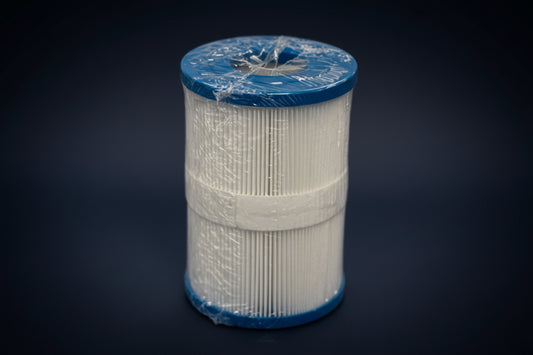
Most dedicated ice baths use a combination of filtration and sanitisation to keep the water clean for weeks between changes. At a minimum, you need a filter (built into most of our units) and a small amount of sanitiser - either bromine, chlorine, or a non-chemical alternative like hydrogen peroxide. Keeping a lid on when the tub is not in use prevents debris and reduces algae growth. With proper maintenance, you should only need a full water change every 4-6 weeks depending on usage frequency.
Is cold water therapy safe?
For most healthy adults, yes. Cold water immersion is widely used by athletes, the NHS acknowledges its role in recovery, and the research base is growing. However, you should avoid cold immersion if you have uncontrolled high blood pressure, heart conditions, or Raynaud's disease without first consulting your GP. Always enter gradually (never jump or dive in), keep your head above water, and have someone nearby for your first few sessions. If you are interested in how cold water therapy is being explored in cancer recovery contexts, our guide on cold water therapy and cancer recovery covers the current evidence.
What's the difference between a portable and permanent ice bath?
Portable ice baths (typically inflatable or fold-down designs) cost between GBP 100 and GBP 500 and are a solid entry point - they store easily and you add ice or cold water manually before each session. Permanent ice baths cost GBP 1,500 to GBP 6,000 and include built-in chillers, filtration, and insulation, meaning the water stays cold and clean 24/7 with zero prep time. The main advantage of a permanent setup is convenience - when the tub is always ready at temperature, you are far more likely to stick with the habit long term. Browse our full range to compare both types and find the right option for your space and budget.