Collection: Red & Near Infrared Light Therapy Panels

Red & Near Infrared Light Therapy Panels

Red & Near Infrared Light Therapy Panels UK | Peak Health

Shop professional red light therapy panels, wraps & devices in the UK. Built for recovery and performance. Free delivery on orders over £250.

Description

Targeted light exposure. Engineered for performance.

This collection brings together our full range of Red & Near Infrared Light Therapy systems designed to support cellular energy production, circulation, and tissue recovery. From full body LED panels to targeted wrap devices and mounting systems, every product is selected for power output, wavelength accuracy, build quality, and long-term reliability.

Whether you are new to red light therapy or already running a structured protocol, these systems are built for consistent, repeatable results you can actually track over time.

Why Choose Peak Health & Fitness for Light Therapy

✓ Clinically relevant wavelengths across all devices

✓ UK delivery available on the full range

✓ Built for home and professional use

✓ UK-based specialist support from people who understand the equipment

Light therapy is not a gimmick when the right devices are used correctly. Our job is to make sure every product we stock is worth the investment, and that you get the right unit for your specific goals.

What is Red & Near Infrared Light Therapy

Red light therapy uses specific wavelengths of light, typically between 630nm and 660nm for red light and 810nm to 850nm for near infrared, to penetrate skin and tissue at varying depths. These wavelengths interact with mitochondria in the body's cells to support energy production and natural repair processes.

Unlike UV light, these wavelengths do not damage skin. They are non-invasive, require no recovery time and can be used at home without any specialist setup beyond positioning the panel correctly.

The key difference between red and near infrared is depth of penetration. Red wavelengths work closer to the skin surface, making them well suited for skin health and surface tissue. Near infrared wavelengths penetrate deeper into muscle, joint and connective tissue, making them more relevant for recovery and pain management.

Red Light Therapy Benefits

Understanding the red-light therapy benefits helps you choose the right device and protocol for your needs. Regular use of calibrated panels is widely associated with:

  • Faster muscle recovery after training
  • Reduced joint discomfort and tissue inflammation
  • Improved skin tone, collagen production and surface resilience
  • Better sleep quality when used as part of an evening wind down routine
  • Increased cellular energy production supporting general wellbeing

These are not overnight results. Consistent use over several weeks is where people typically start to notice meaningful change, particularly for recovery and skin related outcomes.

What is Infra-Red-Light Therapy

Infra-red-light therapy covers the near infrared portion of the light spectrum that sits just beyond what the human eye can see. While you cannot see near infrared light directly, your body responds to it at a cellular level in the same way it does to red wavelengths.

Many of the devices in this range combine both red and near infrared output in a single panel, giving you access to surface level and deeper tissue benefits in one session rather than needing separate devices for each.

Red Light Phototherapy

Red light phototherapy is the clinical term for the application of specific light wavelengths to support skin and tissue health.
Originally developed in medical and dermatological settings, it has moved into the home wellness market as device quality and output accuracy have improved significantly over the last decade.

The devices we stock are selected specifically because they deliver the wavelengths and power density needed to produce meaningful results, not just a warm glow.

Our Light Therapy Range

This collection includes a variety of systems to suit different use cases, spaces and budgets:

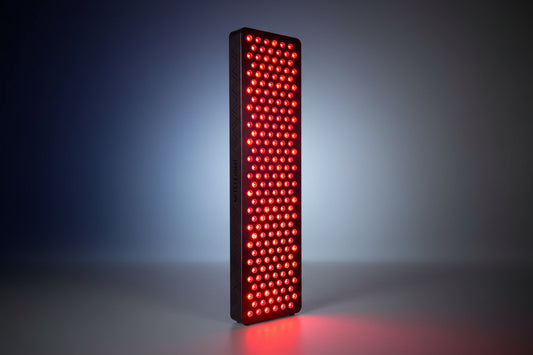
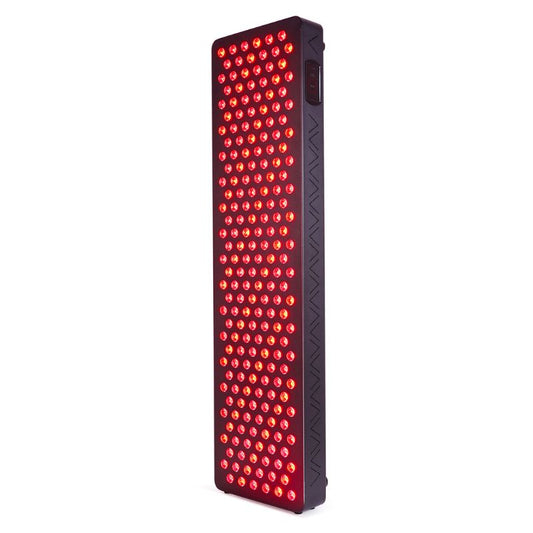
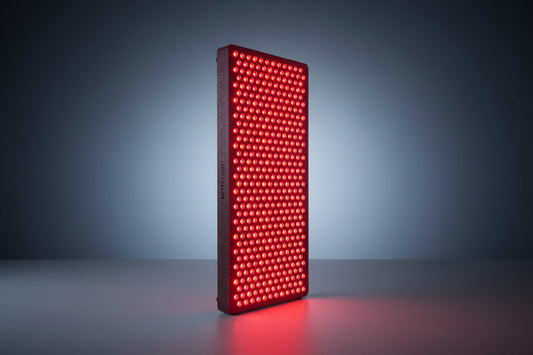
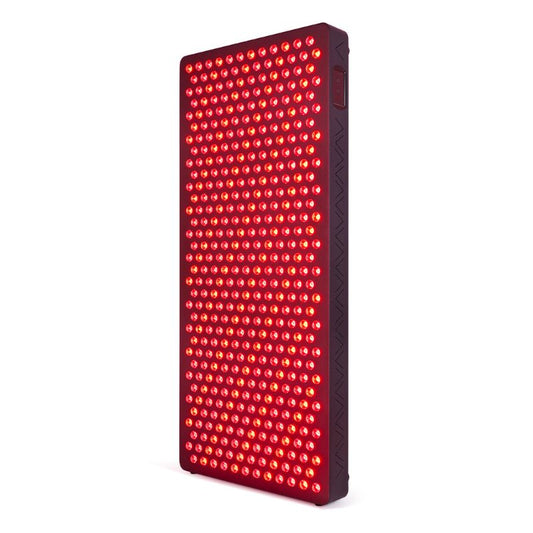
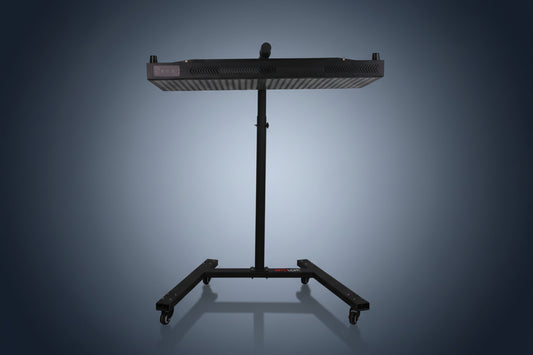
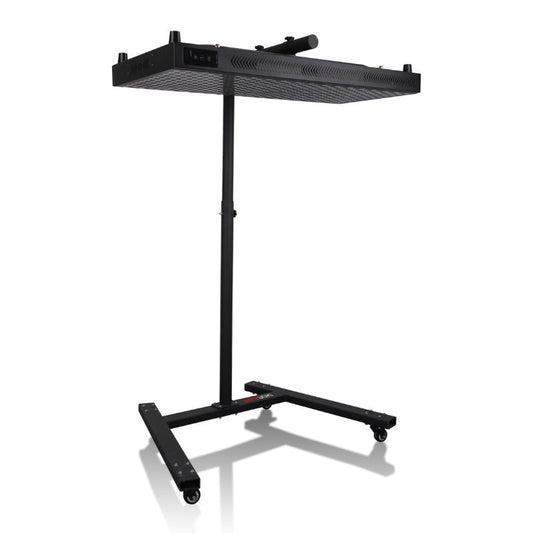
Full-body LED panels for whole-body light infrared therapy sessions covering the torso, legs and arms simultaneously. These are best for people who want maximum coverage in the shortest session time.

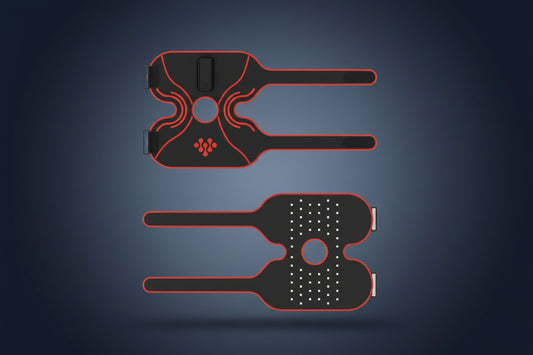
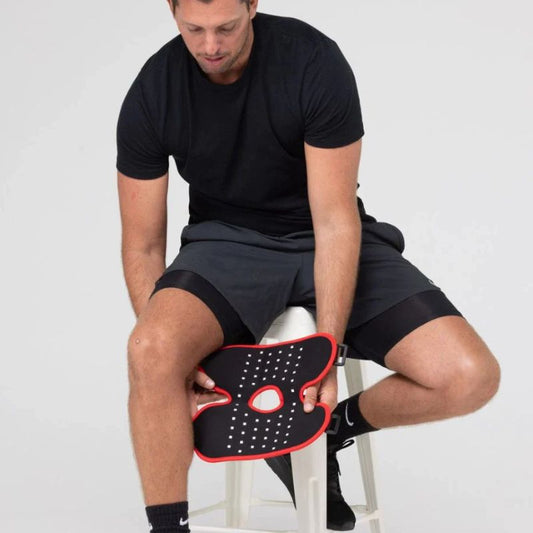
Targeted wrap devices for joint-specific or localised treatment. These are ideal for knees, shoulders, elbows or the lower back where a full panel is impractical.

LED therapy masks for facial skin health, collagen support, and surface-level recovery.

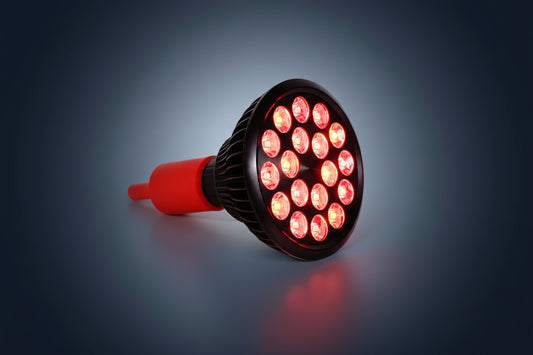
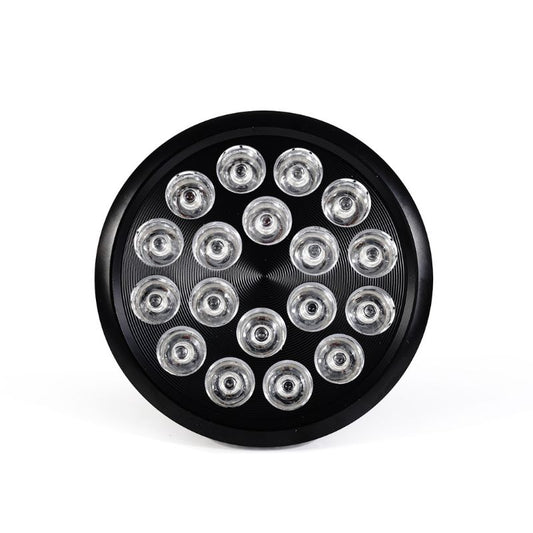
Specialist bulbs and smaller devices for desk or bedside use, particularly useful for evening light environment management.

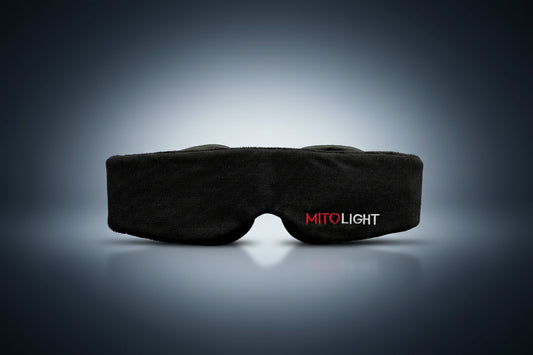
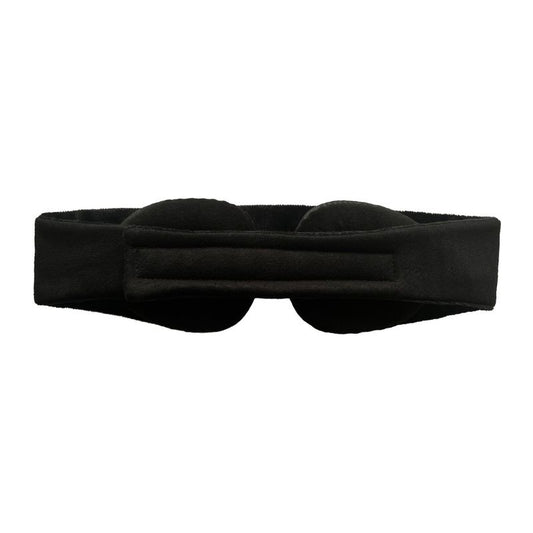
Blue light blocking glasses to complement your light therapy routine by reducing junk light exposure outside of sessions.

Building a Complete Recovery Setup

Light therapy works particularly well as part of a broader recovery stack. Many of our customers combine their panels with an ice bath for cold exposure, a sauna for heat therapy, or compression and massage tools for full-body recovery management.

If you are building a serious home recovery setup, light therapy is one of the simplest and most consistent tools you can add with virtually no ongoing running cost after the initial investment.

Free delivery on orders over £250.

If you are serious about recovery, the details matter. Start with equipment that actually delivers.

Frequently Asked Questions

What wavelength of red light therapy do I need?

The two most clinically studied wavelengths are 660nm (red light, visible) and 850nm (near-infrared, invisible). Red at 660nm penetrates the skin's surface and is best for skin health, wound healing, and collagen production. Near-infrared at 850nm penetrates deeper into muscle, joints, and tissue, making it better for pain relief, inflammation, and recovery. Most quality panels (including the brands we stock) offer both wavelengths simultaneously, so you get the full spectrum of benefits in one session. Our guide explains more about why red light therapy panels work

How long should each red light therapy session be?

Most manufacturers and clinical studies recommend 10-20 minutes per treatment area, per session. I use my red light panel for 20 minutes daily as part of my morning protocol, treating my full torso at a distance of about 15cm. Shorter sessions (5-10 minutes) still provide benefits, especially for skin-level applications at 660nm. The key is consistency - daily use at a moderate duration outperforms occasional longer sessions every time.

What's the difference between red light and near-infrared?

Red light (620-700nm) is visible to the eye and penetrates the skin to a depth of about 8-10mm, making it effective for skin conditions, collagen production, and surface-level healing. Near-infrared (700-1100nm) is invisible and penetrates much deeper - up to 50mm into muscle, bone, and connective tissue - targeting inflammation, joint pain, and deep tissue recovery. Most therapeutic panels combine both, and the research suggests using them together produces the best overall results. For a deeper look at the science, read our guide to red light therapy

How far should I stand from the panel?

The optimal distance depends on the panel's power output (measured in irradiance, mW/cm2), but a general guideline is 15-30cm from the panel for most home-use devices. Closer (10-15cm) delivers a more concentrated dose to a smaller area, which suits targeted treatment of a specific injury or skin concern. Further away (30-60cm) spreads the light over a larger body area at a lower intensity, which is better for general wellness sessions. Check the manufacturer's recommendations on the product page, as each panel has a slightly different optimal distance based on its LED configuration and power.

Can I use red light therapy every day?

Yes, daily use is both safe and recommended for best results. Unlike UV light, red and near-infrared wavelengths do not damage the skin - there is no risk of burning or overexposure at therapeutic doses. I use red light therapy every day as part of my wellness protocol and the cumulative effect over weeks and months is where the real benefit shows up. Most clinical studies showing positive outcomes used daily or near-daily protocols over 4-12 weeks. If you are combining red light with sauna sessions, stacking them in the same routine is an efficient way to build a daily protocol.

What size panel do I need?

It depends on what you want to treat. A small or targeted panel (around 30cm tall) works well for face, neck, or a single joint - good if you have a specific area of concern. A mid-size panel (60-90cm) covers the torso or a full limb and suits most people who want general wellness benefits. A full-body panel or multi-panel setup (120cm+) treats everything in one session and is the most time-efficient option if you plan to use it daily. Consider how much time you want to spend per session - a larger panel means fewer repositions and shorter total treatment time.