

Choosing the best red light therapy device in the UK is harder than it should be. The market is full of cheap panels with vague specifications, inflated Amazon reviews, and claims that stretch well beyond what the research supports. Meanwhile, the devices that actually deliver a therapeutic dose - at the right wavelengths, with sufficient irradiance - rarely get the attention they deserve.
In this guide:
- How Red Light Therapy Works
- What to Look for in a Red Light Therapy Device
- Best Red Light Therapy Devices UK: Full Comparison
- MITO LIGHT vs Infraredi: Which Range Is Right for You?
- Our Recommendation
- Red Light Therapy: What the Research Says
- Cost Comparison: Home Device vs Clinic Sessions
- Build a Complete Recovery Stack
- Frequently Asked Questions
- Where to Buy Red Light Therapy Devices in the UK
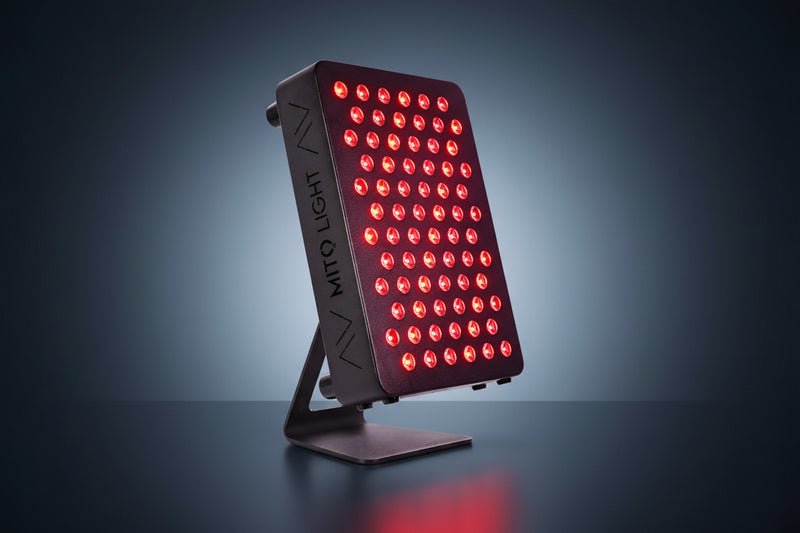
This guide is a straightforward comparison of every red light therapy panel and device we stock at Peak Health and Fitness. We carry two brands: MITO LIGHT and Infraredi. Between them, they cover everything from a £149 targeted therapy device to a £1,695 full-body panel. We will explain how red light therapy works, what specifications actually matter, how each product compares, and which device suits which use case. No hype. No affiliate links pushing products we have never tested. Just an honest breakdown to help you make a good decision.
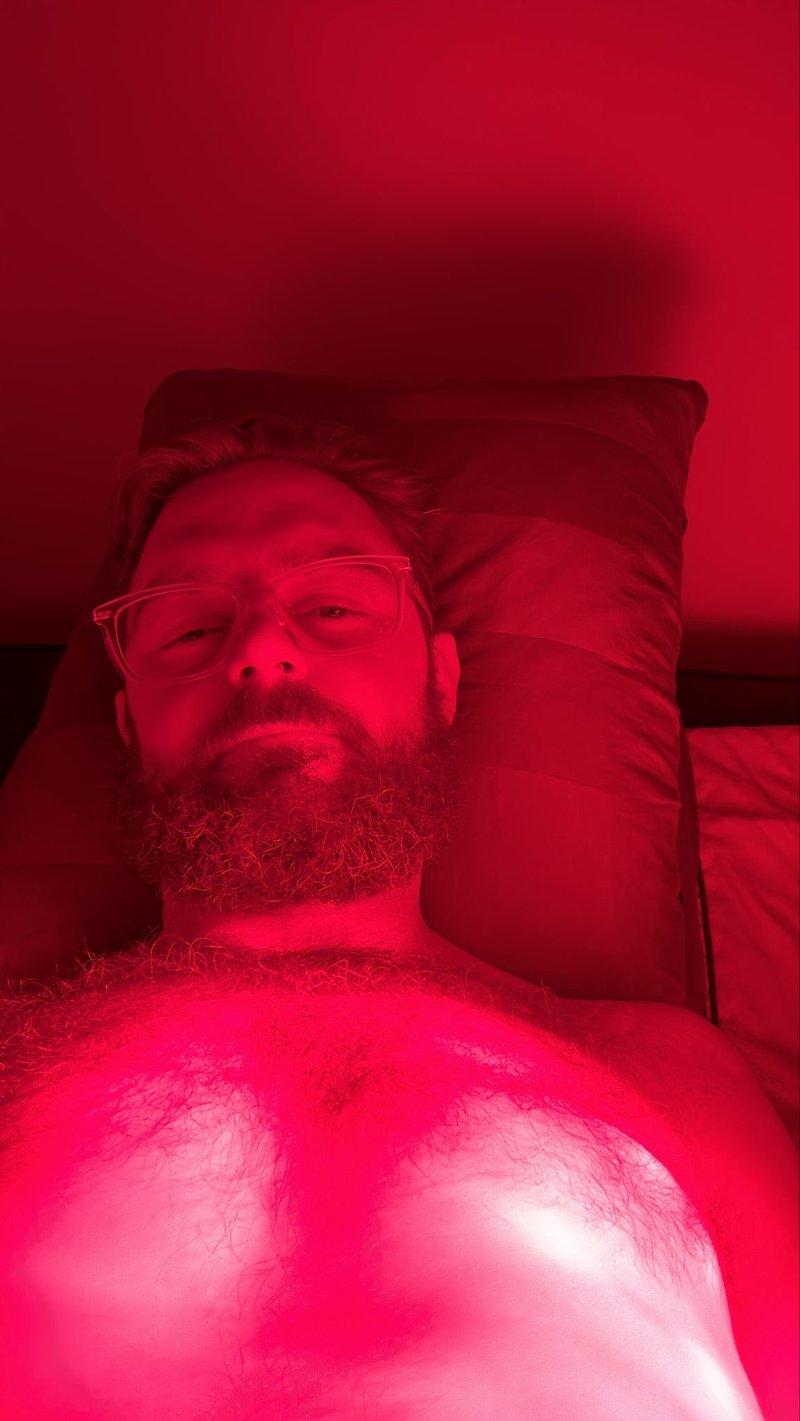
I am Dale, founder of Peak Health and Fitness. I use red light therapy every day - it is a core part of the recovery protocol I built after being diagnosed with cancer. We stock two brands: MITO LIGHT and Infraredi. I chose them because they have the clinical-grade specs that the research is based on, not because they are the cheapest or the flashiest. This guide compares every panel we carry and explains exactly why. Read my full story.
If you are new to the technology, start from the top. If you already understand the basics and just want the comparison table, skip to the full product comparison.
How Red Light Therapy Works
Red light therapy - technically called photobiomodulation (PBM) - uses specific wavelengths of light to stimulate cellular function. Two wavelength ranges have meaningful clinical evidence behind them:
- Red light: 630nm, 660nm, 670nm. Visible red wavelengths that penetrate the surface layers of skin and superficial tissue. Most studied for skin health, collagen production, and wound healing.
- Near-infrared (NIR): 810nm, 830nm, 850nm. Invisible to the eye, these wavelengths penetrate deeper - reaching muscle, joint tissue, and bone. Most studied for pain, inflammation, and muscle recovery.
The mechanism is well-documented at a cellular level. Red and near-infrared light is absorbed by cytochrome c oxidase, an enzyme in the mitochondrial electron transport chain. This absorption appears to increase ATP (adenosine triphosphate) production - the energy currency your cells use for repair, regeneration, and normal function. The process also modulates reactive oxygen species and can trigger downstream signalling pathways involved in inflammation and tissue repair.
This is not fringe science. A 2017 review by Hamblin, published in Photobiomodulation, Photomedicine, and Laser Surgery, provides a comprehensive overview of the molecular and cellular mechanisms. Avci et al. (2013), writing in Seminars in Cutaneous Medicine and Surgery, reviewed low-level laser therapy applications across dermatology, wound healing, and pain management. Wunsch and Matuschka (2014), in Photomedicine and Laser Surgery, demonstrated measurable improvements in skin complexion and collagen density in a randomised controlled trial of 113 volunteers.
The key point: red light therapy works through a defined biological mechanism with published evidence. It is not heat therapy. It is not UV. And the dose matters enormously - which is why device specifications are so important.
What to Look for in a Red Light Therapy Device
Before comparing products, you need to understand what separates a credible red light therapy panel from an expensive lamp. There are seven things worth checking before you buy.
1. Wavelength range
The best red light therapy panels combine both red (630-670nm) and near-infrared (810-850nm) wavelengths. Red wavelengths target skin and surface tissue. NIR goes deeper, reaching muscle and joints. A device offering only one range gives you half the capability. Avoid panels that lead with wavelengths in the 700-770nm range - this "dead zone" shows minimal biological activity in published research.
2. Irradiance (mW/cm2)
This is the single most important specification. Irradiance measures the power density of light reaching your skin, expressed in milliwatts per square centimetre (mW/cm2) at a given distance.
Look for at least 50 mW/cm2 at 15cm distance. Below that threshold, treatment times become impractically long. Above 80-100 mW/cm2, you are in the range used in clinical studies. Be cautious of inflated figures - some manufacturers measure at the LED surface rather than at treatment distance. Always check the measurement distance.
3. Treatment area
Panel size determines how much of your body you can treat per session. A small bulb or targeted device (face, single joint) is fine for localised work. Full-body treatment requires a panel at least 60cm tall - otherwise you are repositioning multiple times per session, which adds 20-30 minutes to your routine.
4. EMF levels
Quality panels produce near-zero electromagnetic field emissions at treatment distance. If a manufacturer does not publish EMF data, that is a red flag. Cheap panels with poor shielding can emit high levels of EMF, which defeats the purpose of investing in a wellness device.
5. Flicker
LED flicker is invisible to the naked eye but can cause headaches and eye strain during extended sessions. Reputable manufacturers use constant-current drivers that eliminate flicker entirely. Look for "flicker-free" in the specifications.
6. Build quality and warranty
Aluminium housing dissipates heat better than plastic, extending LED lifespan. Look for CE marking (required for UK sale), RoHS compliance, and a minimum 2-year warranty. LED lifespan should be rated at 50,000 hours or more.
7. Price per treatment area
A £149 bulb and a £645 panel both work. The difference is coverage. When comparing panels at similar price points, calculate the cost per square centimetre of treatment area. A larger panel that costs slightly more may actually be better value per session because it treats more skin simultaneously.
Quick checklist before buying: dual wavelength (red + NIR), irradiance at least 50 mW/cm2 at 15cm, near-zero EMF, flicker-free, CE/RoHS certified, minimum 2-year warranty, published treatment area dimensions.
Best Red Light Therapy Devices UK: Full Comparison
We stock two red light therapy brands: MITO LIGHT and Infraredi. Between them, they cover every use case from targeted joint therapy to full-body treatment. Here is every product compared.
MITO LIGHT 4.0 Range
The entire MITO LIGHT 4.0 series uses six clinically relevant wavelengths: 630nm, 660nm, 670nm, 810nm, 830nm, and 850nm. All panels use 5W LEDs, produce near-zero EMF, are flicker-free, and carry CE and RoHS certification. Czech-designed and manufactured. 3-year manufacturer warranty. What changes between models is the panel size, LED count, and irradiance.
| Product | Price | Klarna | Type | Wavelengths | Coverage | Best for |
|---|---|---|---|---|---|---|
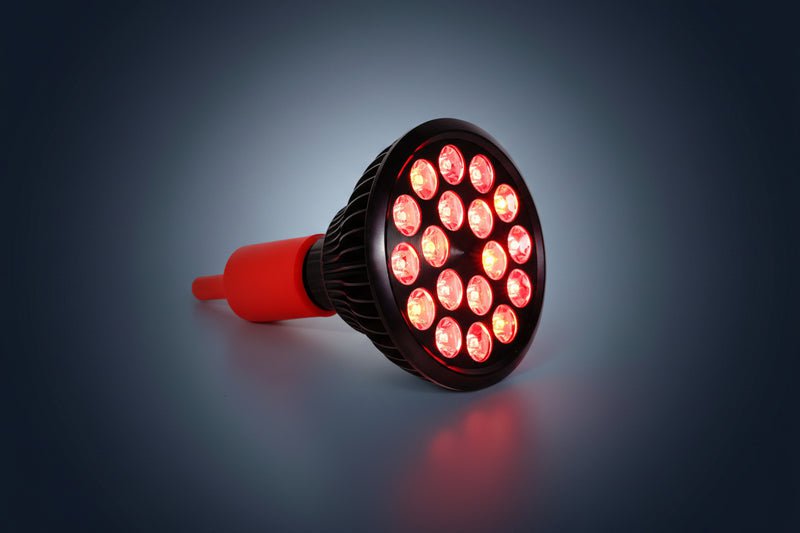
| MITO LIGHT Bulb 4.0 | £149 | - | Bulb | 6 (630/660/670/810/830/850nm) | 12 x 12cm | Face, neck, single joint. Entry-level. |
| MITO LIGHT Starter 4.0 | £645 | ~£215/mo | Panel | 6 (630/660/670/810/830/850nm) | 35 x 25cm | First full-body panel. Daily home use. |
| MITO LIGHT Expert 4.0 | £845 | ~£282/mo | Panel | 6 (630/660/670/810/830/850nm) | 66 x 25cm | Larger coverage, faster sessions. |
| MITO LIGHT BH 4.0 | £1,095 | ~£365/mo | Panel | 6 (630/660/670/810/830/850nm) | 92 x 25cm | Half-body per session. Serious protocol. |
| MITO LIGHT Generation 4.0 | £1,695 | ~£565/mo | Panel | 6 (630/660/670/810/830/850nm) | 92 x 41cm | Full-body in a single session. Top of range. |
Irradiance measured by spectrometer at 15cm: Bulb 65 mW/cm2, Starter 71 mW/cm2, Expert 80 mW/cm2, BH 82 mW/cm2, Generation 90 mW/cm2. All 5W LEDs.
Infraredi Range
Infraredi specialises in targeted, wearable red light therapy at accessible price points. Rather than fixed panels, their range focuses on wraps and masks that you wear during treatment - complementing MITO LIGHT's panel range. Good for people who want to treat specific areas hands-free or who are looking for an affordable entry point to red light therapy.
| Product | Price | Klarna | Type | Wavelengths | Coverage | Best for |
|---|---|---|---|---|---|---|
| Infraredi Body Wrap | £175 | - | Full wrap | Red + NIR | Full body section | Recovery-focused, muscles and joints. |
| Infraredi Joint Wrap | £175 | - | Targeted wrap | Red + NIR | Single joint | Knees, elbows, shoulders. Targeted joint therapy. |
| Infraredi LED Light Therapy Mask | £325 | - | Face mask | Red + NIR | Full face + neck | Skin health, anti-ageing, complexion. |
All products: free delivery on orders over £250. 2-year warranty standard. Klarna pay-in-3 available on qualifying orders.
MITO LIGHT vs Infraredi: Which Range Is Right for You?
These two brands serve different needs, and understanding the difference will save you from buying the wrong device.

MITO LIGHT: clinical-grade panels for serious protocols
MITO LIGHT is a Czech manufacturer producing dedicated red light therapy panels. Their 4.0 series is built around 5W LEDs across six wavelengths - the broadest coverage in the consumer market. Irradiance figures are independently verified and measured at treatment distance, not at the LED surface.
Choose MITO LIGHT if:
- You want a fixed panel for daily home use
- You are following a structured protocol (skin, recovery, pain management)
- Irradiance and wavelength coverage are your priority
- You want the highest dose per minute of treatment time
- You are willing to invest in the best available technology
The trade-off is price. The Starter 4.0 at £645 (or 3 x £215 with Klarna) is the entry point for a proper panel. The Generation 4.0 at £1,695 (or 3 x £565 with Klarna) is a serious investment - but it delivers full-body coverage in a single 10-15 minute session, which no smaller device can match.
Infraredi: targeted wearable therapy
Infraredi specialises in wearable red light therapy - wraps and masks that you put on and use hands-free. Their three products (Body Wrap, Joint Wrap, and LED Mask) each target a specific area at an accessible price point, starting at £175.
Choose Infraredi if:
- You want targeted treatment for a specific area (face, joints, muscles)
- You prefer a wearable device you can use while doing other things
- You want a face mask specifically for skin and complexion work
- Portability matters - wraps travel, panels do not
The trade-off is coverage and irradiance. A wrap or mask treats one area at a time. A panel treats a large section of your body simultaneously. For localised work, that does not matter. For full-body protocols, it does.
Can you use both?
Yes. Many users combine a MITO LIGHT panel for their daily full-body session with an Infraredi wrap for targeted work on a specific injury or problem area. A Body Wrap for muscle recovery, a Joint Wrap for a dodgy knee, and a MITO LIGHT panel for general daily use - that is a genuinely comprehensive home setup. The technologies are complementary, not competing.
What about other brands?
You may also see Joovv, Rouge, BioMax, and PlatinumLED mentioned in other UK reviews. These are legitimate brands. We chose MITO LIGHT and Infraredi for Peak because they deliver equivalent or superior irradiance at a lower price point, with UK-based support and warranty. If you are comparing across brands, the specs that matter most are irradiance at treatment distance, wavelength accuracy, and EMF emissions - all covered in our comparison tables above.
Our Recommendation
There is no single "best" red light therapy device - it depends on what you are using it for. Here are our picks by use case.
Best budget entry point: MITO LIGHT Bulb 4.0 (£149)
The MITO LIGHT Bulb 4.0 is the most affordable way to start with red light therapy. Six wavelengths across a 12 x 12cm area - ideal if you want to test whether you will actually use red light therapy daily before investing in a full panel. At £149, it costs less than most pairs of running shoes and gives you a genuine clinical-grade device to try the technology.
Best all-rounder panel: MITO LIGHT Expert 4.0 (£845)
The MITO LIGHT Expert 4.0 is the sweet spot in the range. At 66 x 25cm with 144 LEDs and 80 mW/cm2 irradiance, it covers your torso in a single pass. Large enough for efficient daily sessions, priced below the four-figure mark. At ~£282/month with Klarna pay-in-3, it works out at less than many gym memberships for a device that lasts 3+ years.
Best full-body panel: MITO LIGHT Generation 4.0 (£1,695)
If you are committed to a daily full-body protocol, the MITO LIGHT Generation 4.0 eliminates the need to reposition. At 92 x 41cm with 408 LEDs and 90 mW/cm2, it delivers full-body coverage in a single 10-15 minute session. This is the device for users who already know red light therapy works for them and want to minimise session time. ~£565/month with Klarna pay-in-3.
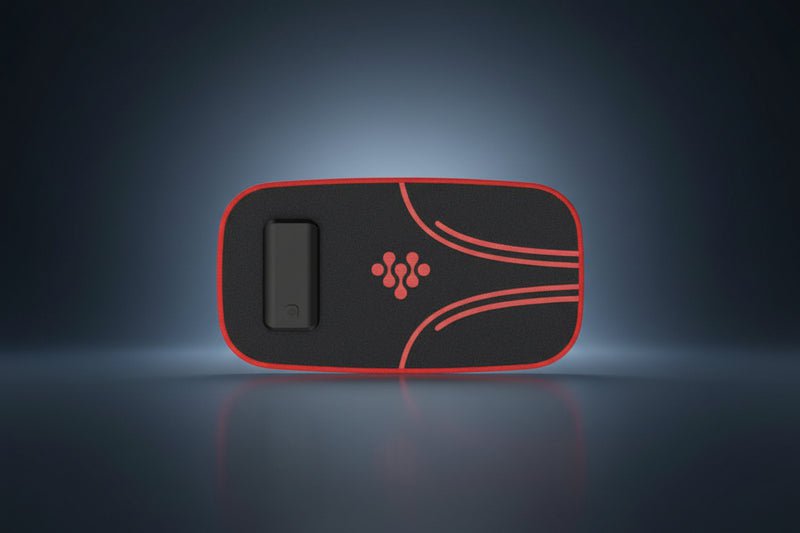
Best targeted therapy: Infraredi Joint Wrap (£175) or Body Wrap (£175)
If you have a specific problem area, Infraredi's wraps are the most practical option. The Infraredi Joint Wrap targets knees, elbows, and shoulders with red and near-infrared light - ideal for anyone dealing with persistent joint issues. The Infraredi Body Wrap covers a larger area for muscle recovery work. Both are £175, both are wearable and hands-free, and both let you treat while getting on with other things.
Best for face and skin: Infraredi LED Light Therapy Mask (£325)
The Infraredi LED Light Therapy Mask covers your entire face in a single hands-free session. Red and near-infrared wavelengths target collagen production, skin texture, and complexion - the applications with the strongest published evidence. If skin health is your primary reason for buying a red light therapy device, this is the most targeted and convenient option.
Red Light Therapy: What the Research Says
We have already covered the mechanism. Here is a more detailed look at the evidence for specific applications - including where it is strong, where it is emerging, and where it falls short.
Skin health and collagen
This is the application with the most robust evidence. Wunsch and Matuschka (2014), in a randomised controlled trial published in Photomedicine and Laser Surgery, treated 113 volunteers with 611-650nm red light over 30 sessions. They measured statistically significant improvements in skin complexion, collagen density, and surface roughness compared to controls. A 2023 systematic review by Ngoc et al. in Lasers in Medical Science confirmed these findings across multiple studies.
The evidence is encouraging for skin appearance and collagen support. It is not evidence for reversing ageing, curing acne, or eliminating wrinkles - and anyone making those claims is overstating the research.
Pain and joint support
A 2017 review by Hamblin, published in Photobiomodulation, Photomedicine, and Laser Surgery, summarised the evidence for PBM in pain management. A 2025 umbrella review by Son et al., covering 204 RCTs and over 9,000 participants, found that PBM may reduce resting pain in knee osteoarthritis (effect size -0.7). However, the evidence was rated low to very low certainty, and results were better when PBM was used alongside exercise therapy rather than as a standalone treatment.
NICE (the UK's National Institute for Health and Care Excellence) formally recommends PBM for oral mucositis in cancer patients (IPG615). It does not currently recommend PBM for general pain management or wellness use.
Muscle recovery
Ferraresi et al. (2012), publishing in the Journal of Biophotonics, reviewed the evidence for PBM in exercise performance and recovery. A subsequent 2016 systematic review by the same group, covering 46 trials and 1,045 participants, found that PBM applied before or after exercise may reduce delayed-onset muscle soreness (DOMS) and markers of muscle damage.
Vanin et al. (2018) reviewed 39 RCTs involving 861 participants and found broadly similar results. The evidence for direct performance enhancement during exercise is weaker - most benefits appear in the recovery window rather than during exertion.
Hair growth
There is emerging evidence that red light therapy may support hair growth in certain types of alopecia. Several small studies have reported increased hair density following PBM treatment. However, the evidence base is still limited, with small sample sizes and inconsistent protocols. We would not recommend buying a red light panel primarily for hair growth based on current evidence - but if you are already using one for other reasons, it is a plausible secondary benefit.
Where the evidence falls short
There is no strong evidence that red light therapy helps with weight loss. Sleep benefits have only limited, early-stage support. Claims about "detoxification" or "immune boosting" are not supported by published research. The technology has genuine applications - but it is not a cure for anything, and we are not going to pretend otherwise.
Cost Comparison: Home Device vs Clinic Sessions
The upfront cost of a red light therapy panel can feel steep. But the comparison with clinic sessions tells a different story.
| Option | Cost | Sessions | Cost per session |
|---|---|---|---|
| UK clinic red light therapy | £50-100 per visit | 1 per visit | £50-100 |
| Infraredi Joint Wrap or Body Wrap (home) | £175 one-off | Unlimited | £0.48/day over 1 year |
| MITO LIGHT Starter 4.0 (home) | £645 one-off | Unlimited | £1.77/day over 1 year |
| MITO LIGHT Expert 4.0 (home) | £845 one-off | Unlimited | £2.32/day over 1 year |
| MITO LIGHT Generation 4.0 (home) | £1,695 one-off | Unlimited | £4.64/day over 1 year |
A MITO LIGHT Starter panel pays for itself in 7-13 clinic visits - then every session after that is effectively free. You also eliminate booking, travel time, and scheduling constraints. Daily use on your own schedule, for the 3+ year lifespan of the device.
With Klarna pay-in-3, you can spread the cost interest-free over three monthly payments. The Expert 4.0 at ~£282/month costs less than most gym memberships.
Build a Complete Recovery Stack
Red light therapy is one part of a broader recovery picture. If you are already investing in your health at home, these categories pair naturally with a red light panel.
Red light + heat therapy
Combining red light therapy with sauna use is one of the most effective home recovery protocols. Heat increases blood flow and tissue temperature, which may enhance the delivery and absorption of photobiomodulation wavelengths. The Prasanna Infrared Sauna Pod (£1,995) is worth a specific mention here - it includes built-in red light therapy alongside full-spectrum infrared, so you get both modalities in a single session.
Browse the full sauna range - from barrel saunas to infrared pods and blankets.
Red light + cold therapy
Contrast therapy - alternating between heat or light therapy and cold exposure - is increasingly popular among athletes and recovery-focused users. An ice bath paired with a red light panel gives you both ends of the temperature spectrum at home. Use the panel before or after cold exposure - there is no definitive protocol yet, but many users report better subjective recovery when combining the two.
Browse ice baths from Chill Tubs, Monk, and H2O.
Related reading
If you want a deeper dive into how red light therapy fits into a home setup, read our guide: Red Light Therapy at Home: What to Buy, What to Avoid, and What Actually Works.

Frequently Asked Questions
Does red light therapy actually work?
Yes - with caveats. Published randomised controlled trials support benefits for skin health, muscle recovery, and joint pain when used at the right wavelengths and dose. The evidence is strongest for skin (collagen, complexion) and recovery (reduced DOMS). It is not a miracle treatment, and results require consistent daily use over 4-12 weeks. A cheap device with insufficient irradiance will not deliver a therapeutic dose, regardless of how long you use it.
How long should each red light therapy session be?
Most protocols recommend 10-20 minutes per treatment area at 10-20cm distance from the panel. If you are using a full-body panel like the MITO LIGHT Generation 4.0, a single 10-15 minute session covers your entire torso. With a smaller panel, you may need to reposition - adding time but not reducing effectiveness.
How far should you stand from a red light therapy panel?
The standard recommendation is 10-20cm, with 15cm being the most common measurement distance for irradiance specifications. Moving further away reduces the dose rapidly - at 30cm you may receive less than half the output measured at 15cm. Closer is not always better either, as the light needs to spread evenly across the treatment area.
Can you overdo red light therapy?
In principle, yes. Photobiomodulation follows a biphasic dose response: too little does nothing, the right amount works, and excessive doses can be counterproductive. In practice, using a home panel for 10-20 minutes daily at the manufacturer's recommended distance is well within safe parameters. A 2023 safety review by Glass et al., covering 57 papers, found no serious adverse events associated with PBM. Stick to the recommended protocol and you will not have a problem.
What is the difference between red light and infrared?
Red light (630-670nm) is visible and penetrates the surface layers of skin. It is the wavelength range most studied for skin health and collagen production. Near-infrared (810-850nm) is invisible to the human eye and penetrates deeper into muscle and joint tissue. It is more commonly associated with recovery and pain research. The best devices combine both - which is why we recommend panels with dual-wavelength or multi-wavelength output.
Is red light therapy safe?
Based on published evidence, yes. PBM is non-invasive, non-thermal at standard doses, and has no UV component. Standard precautions: use protective eyewear (included with MITO LIGHT panels), avoid direct eye exposure during facial treatments, and consult your GP if you are pregnant, have active cancer, or take photosensitising medication. NICE has approved PBM for specific clinical applications (oral mucositis, IPG615), which reflects its safety profile.
How long before you see results from red light therapy?
Clinical studies typically run for 4-12 weeks with consistent daily or near-daily use. Skin improvements may become noticeable from week 3-4. Recovery benefits - particularly reduced muscle soreness after training - may appear sooner. Do not judge a device after three sessions. Commit to at least 4 weeks of consistent use before assessing results.
Which red light therapy device is best for beginners?
If you have never used red light therapy before, the MITO LIGHT Bulb 4.0 (£149) is the most affordable way to start with a clinical-grade device. If you already know you want targeted treatment for a specific joint or muscle, the Infraredi Joint Wrap or Body Wrap (both £175) let you test wearable therapy without a major outlay.
Do I need a panel or would a wrap work?
It depends on your goal. A panel treats a large area of your body simultaneously - better for full-body protocols, skin health, and general recovery. A wrap targets a specific area - better for a particular joint, muscle group, or injury. If you are unsure, a panel offers more versatility. If you have a specific problem area, a wrap may be more practical.
What is the highest rated red light therapy device?
In the UK market, Joovv and Rouge are well-known brands with strong followings. We do not stock them. We chose MITO LIGHT and Infraredi because they match or exceed the clinical specifications at a lower price point, with UK-based support and a 2-year warranty. The "best" device depends on your use case: MITO LIGHT for panel-based full-body coverage and clinical precision (six wavelengths, independently verified irradiance, Czech-manufactured panels), and Infraredi for targeted wearable therapy through their wraps and LED mask. Compare the specs that matter - irradiance at treatment distance, wavelength accuracy, and EMF emissions - rather than relying on brand recognition alone.
Can I use red light therapy with other treatments?
Red light therapy pairs well with exercise, sauna use, and cold exposure. Many users incorporate it into a broader recovery routine - for example, red light therapy in the morning followed by an ice bath post-training. There are no known contraindications with standard wellness practices. If you are undergoing medical treatment, consult your GP before adding PBM to your routine.
Where to Buy Red Light Therapy Devices in the UK
Peak Health and Fitness is an official UK stockist of MITO LIGHT and Infraredi. We stock the full MITO LIGHT 4.0 panel range and Infraredi's targeted therapy devices - everything from £149 to the £1,695 Generation 4.0 full-body panel.
Every red light therapy device UK customers can buy from us ships with:
- Free delivery on all orders over £250
- 2-year warranty as standard
- Klarna pay-in-3 - spread the cost interest-free over three monthly payments
- UK customer support Monday to Friday, 09:00-16:30
Our founder uses red light therapy daily as part of his own health and recovery protocol. These are not products we list and forget - we use them, we understand the specifications, and we can answer the questions that most online retailers cannot.
We stock around 160 products across six categories. Every product has been chosen because we believe it is the best option at its price point. No marketplace listings. No dropshipping random brands. Just equipment we trust.
Browse the full red light therapy range - or email us at info@peakhealthandfitness.co.uk if you need help choosing the right device for your setup.
All prices correct at time of publishing and include VAT. Klarna pay-in-3 splits the cost into three equal interest-free payments - eligibility subject to status. Check product pages for current pricing.
Sources: Hamblin 2017 (Photobiomodulation, Photomedicine, and Laser Surgery); Avci et al. 2013 (Seminars in Cutaneous Medicine and Surgery); Wunsch & Matuschka 2014 (Photomedicine and Laser Surgery); Ferraresi et al. 2012 (Journal of Biophotonics); Ferraresi et al. 2016 (Lasers in Medical Science); Vanin et al. 2018 (Lasers in Medical Science); Ngoc et al. 2023 (Lasers in Medical Science); Son et al. 2025 (umbrella review, 204 RCTs); Glass et al. 2023 (safety review, 57 papers); NICE IPG615 (2018). Full evidence base available on request.